
Expert Care in Sexual Health, Aesthetics & Wellness
Located in Columbia, Maryland, we offer expert-led Sexual Health, Hormone Therapy, and Facial Rebalancing services—including PRP, Shockwave Therapy, Penile Filler, Botox, and Dermal Fillers—to help you look, feel, and perform your best.
About Us
Climax Aesthetic Surgery in Columbia, Maryland, combines advanced sexual wellness, hormone therapy, and aesthetic medicine with medical expertise to deliver the ultimate in confidence-focused care for both men and women.
Our treatments—including O-Shot, P-Shot, Penile Filler, Shockwave Therapy, Hormone Therapy, Botox, and Dermal Fillers—are performed by experienced providers using the latest technology and evidence-based techniques. Each treatment plan is tailored to your unique anatomy, health, and aesthetic goals, with flexible payment plans available.
Climax Aesthetic Surgery is led by expert, board-certified providers, giving you peace of mind that you are always in trusted hands. We proudly serve patients at three convenient locations: New York City, NY, Virginia Beach, VA, and Columbia, MD.

Choose Your Consultation Type
Select the consultation option that works best for you. Meet with our team in person at
one of our locations or connect with us virtually from the comfort of your home.
Choose Your
Consultation Type
Select the consultation option that works best for you. Meet with our team in person at one of our locations or connect with us virtually from the comfort of your home.
Conditions We Treat
Climax
Support stronger arousal, improved sensitivity, enhanced pleasure, and intimate confidence for both women and men with advanced regenerative care designed to improve blood flow, tissue health, and sexual performance.
O-Shot & P-Shot
Penile Filler (UroFill)
Aesthetic
Support stronger arousal, improved sensitivity, enhanced pleasure, and intimate confidence for both women and men with advanced regenerative care designed to improve blood flow, tissue health, and sexual performance.
O-Shot & P-Shot
Penile Filler (UroFill)
Wellness
Relieve menopause symptoms, hormonal imbalance, low libido, and fatigue with hormone therapy or shockwave care designed to support circulation, sensitivity, and overall sexual wellness.
Hormone Therapy
Shockwave Therapy
Smooth wrinkles, restore volume, enhance facial balance, and boost confidence for women and men with advanced aesthetic care designed to lift, contour, and rejuvenate your skin and features.
Botulinum Toxin
Dermal Fillers
Aesthetic
Smooth wrinkles, restore volume, enhance facial balance, and boost confidence for women and men with advanced aesthetic care designed to lift, contour, and rejuvenate your skin and features.
Botulinum Toxin
Dermal Fillers
Wellness
Relieve menopause symptoms, hormonal imbalance, low libido, and fatigue with hormone therapy or shockwave care designed to support circulation, sensitivity, and overall sexual wellness.
Hormone Therapy
Shockwave Therapy
Virginia Beach, VA
Our Virginia Beach, Virginia office is located at 700 Independence Cir, Virginia Beach, VA 23455, and this is our main office location. We are proud to be the only practice in Hampton Roads offering a true one-stop-shop experience that combines advanced sexual wellness, aesthetic services, and overall wellness treatments under one roof.
Penile Filler
Schedule a private consultation to learn more about UroFill®, a non-surgical approach to penile girth enhancement. Discuss your goals, ask questions, and learn what to expect from the treatment, including the process, available options, and next steps.
Virginia Beach, VA
Our Virginia Beach, Virginia office is located at 700 Independence Cir, Virginia Beach, VA 23455, and this is our main office location. We are proud to be the only practice in Hampton Roads offering a true one-stop-shop experience that combines advanced sexual wellness, aesthetic services, and overall wellness treatments under one roof.

Expert guidance.
Personalized care.
New York City, NY
Other Treatment
New York City, NY
This consultation is ideal for patients interested in services such as P-Shot®, Testosterone Therapy, Botox, Dermal Fillers, and other eligible treatments. Ask questions, explore your options, and receive guidance on the next steps based on your individual needs.
Virginia Beach, VA
Our Virginia Beach, Virginia office is located at 700 Independence Cir, Virginia Beach, VA 23455, and this is our main office location. We are proud to be the only practice in Hampton Roads offering a true one-stop-shop experience that combines advanced sexual wellness, aesthetic services, and overall wellness treatments under one roof.

About Our Virtual Consultations
Our Virtual Consultations are designed to give you direct access to one of our experienced medical providers at no cost. During your virtual visit, your provider will answer your main questions, explain what to expect from your desired treatment, and pre-screen whether you may be a good candidate.
After your virtual consultation, we recommend an in-person visit for a complete medical evaluation, where your provider will assess your needs and create a personalized treatment plan. The in-person consultation has a $250 fee, which is applied toward your treatment when you proceed.
Treatments We Offer in Columbia, MD
O-Shot
A regenerative treatment for women that uses platelet-rich plasma to enhance sensitivity, improve intimacy, and support vaginal health.
P-Shot
A natural, PRP-based treatment for men that improves erectile function, boosts sensation,
and supports overall sexual wellness.
Penile Filler (UroFill)
A medical, filler-based treatment for men that adds supportive volume, improves firmness, and enhances sexual confidence.
Botulinum Toxin
A medical, neurotoxin-based treatment that relaxes overactive facial muscles,
smooths fine lines, and refreshes your appearance.
Dermal Fillers
A medical, gel-based treatment for facial
rebalancing that restores volume, contour, and natural-looking symmetry.
Hormone Therapy
A medical, hormone-based treatment that restores balance, boosts energy, supports libido, and improves overall wellness.
Shockwave Therapy
A non-invasive, wave-based treatment that improves blood flow, enhances sensitivity, and supports sexual performance.
ALL WE OFFER
Looking for something else? Visit our main website to discover all of our services.
Transformations
You Can Trust
Penile Filler - Before & After
Natural-looking results that feel just as natural. Every treatment is personalized to your anatomy and goals, creating balanced and renewed confidence.
Facial Rebalancing - Before & After
Natural-looking Botox and Dermal Filler results designed to enhance facial balance, soften lines, and refresh your appearance while preserving your natural expressions.
Meet Our Providers

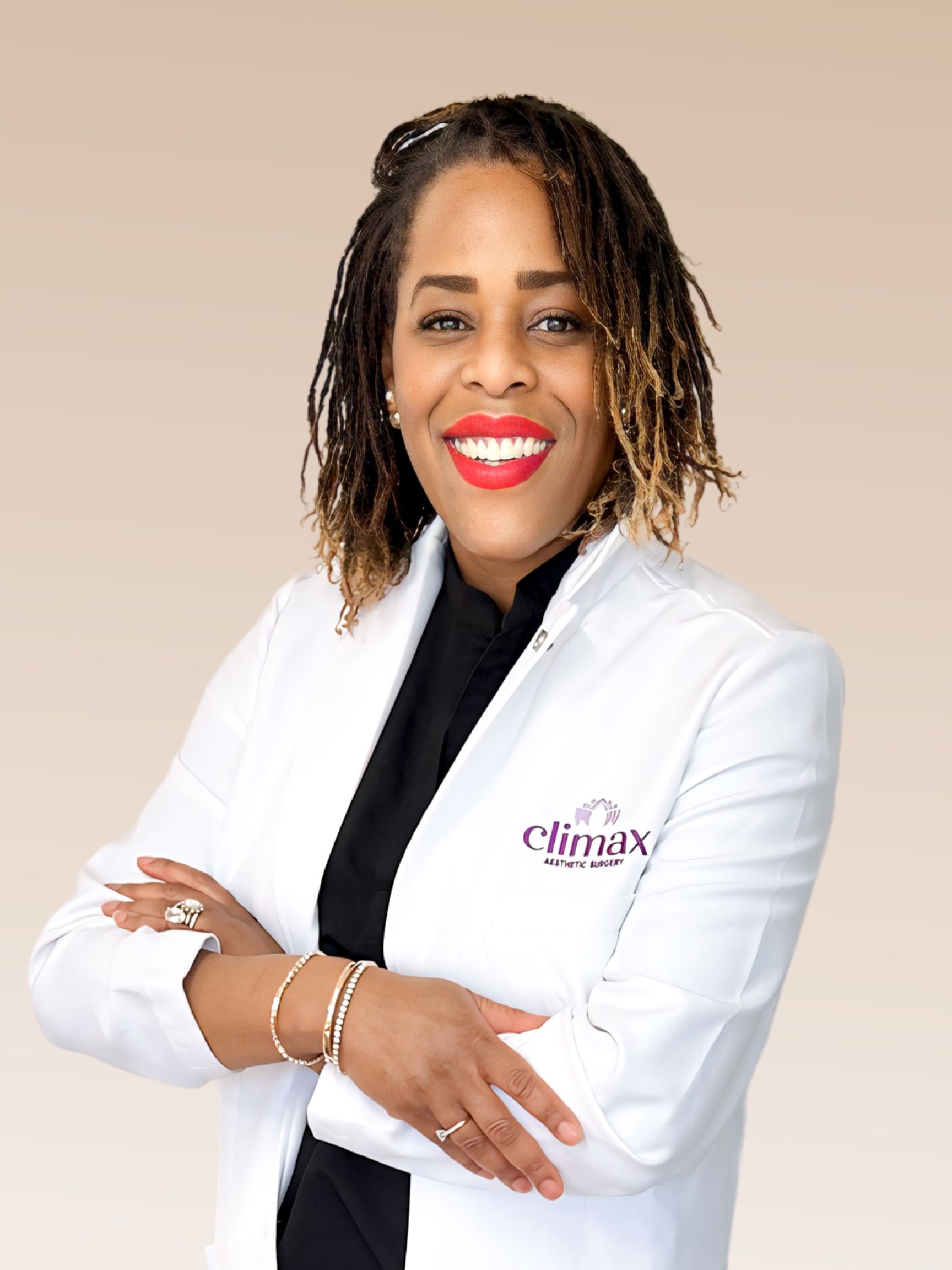
Mary Ojo-Carons, MD
Dr. Mary is a board-certified Cosmetic Gynecological Surgeon and Sexual Medicine Physician with over 15 years of experience. She is the founder of Climax Aesthetic Surgery and a recognized expert in sexual medicine, hormone therapy, menopausal care, gynecology, and reproductive science.

Akin Ojo-Carons, MD
Dr. Akinwunmi Ojo-Carons is Chief Financial Officer and Men’s Wellness Expert at Climax Aesthetic Surgery. A board-certified urologist and UroFill-certified provider, he specializes in advanced treatments for sexual health, confidence, and performance.

Pamela Ikem, RN
Pamela Ikem is the Chief Operations Officer, Facial Rebalancing Specialist, and Nurse Injector at Climax Aesthetic Surgery. With a BSN, RN licensure, and an MBA, she blends clinical skill and leadership to deliver compassionate, patient-centered care.
Are your treatments safe?
Yes. All treatments are medically guided and performed using evidence-based protocols and FDA-cleared technology in a clinical setting.
How soon will I see results?
Results vary by treatment and individual, but many patients begin noticing improvements within weeks, with continued enhancement over time.
Do you offer financing or payment plans?
Yes. We offer flexible payment plans to make treatment more accessible.
Penile Filler
Schedule a private consultation to learn more about UroFill®, a non-surgical approach to penile girth enhancement. Discuss your goals, ask questions, and learn what to expect from the treatment, including the process, available options, and next steps.
Other Treatment
This consultation is ideal for patients interested in services such as P-Shot®, Testosterone Therapy, Botox, Dermal Fillers, and other eligible treatments. Ask questions, explore your options, and receive guidance on the next steps based on your individual needs.
Blog & Articles

Better Sleep, Better Sex: How Hormones Connect Rest, Energy, and Sexual Wellness
What if improving your sleep could also improve your sex life?
Sleep and sexual wellness may seem like two separate parts of your health, but they are more connected than many people realize. Both depend on a complex relationship between hormones, brain function, physical health, and emotional well-being.
When you consistently struggle to get quality sleep, the effects can extend far beyond feeling tired the next morning. Poor sleep may influence your hormone levels, reduce sexual desire, affect arousal, and even change how connected you feel to your partner.
On the other hand, healthy sleep habits can support hormonal regulation, improve energy levels, and create better conditions for a satisfying sex life.
Understanding this connection is an important step toward taking care of your overall wellness.
The Connection Between Sleep, Hormones, and Sexual Health
Your body relies on hormones to regulate everything from metabolism and mood to reproductive function and sexual desire. Sleep plays an important role in keeping many of these systems functioning properly.
Throughout the day and night, your body follows an internal biological clock known as the circadian rhythm. This system helps regulate when you feel awake, when you feel sleepy, and when certain hormones are released.
During sleep, your body carries out essential processes involving tissue repair, energy regulation, and hormonal signaling.
However, when your sleep schedule becomes inconsistent or you regularly experience insufficient sleep, some of these processes may be disrupted.
Several hormones are particularly relevant to the relationship between sleep and sexual wellness:
Testosterone: Important for sexual desire in both men and women, as well as several aspects of male sexual function.
Estrogen: Supports vaginal tissue health, lubrication, and other aspects of sexual well-being.
Progesterone: Involved in reproductive health and may influence sleep through its effects on the nervous system.
Cortisol: A hormone involved in the body's stress response that follows a daily rhythm.
Melatonin: Helps regulate the sleep-wake cycle.
These hormones do not work independently. They interact with one another and with the brain, nervous system, and other physiological processes.
That is why changes in sleep can sometimes be accompanied by changes in mood, energy, and sexual interest.
How Poor Sleep Can Affect Testosterone Levels
Testosterone is often associated with male sexual health, but it also plays a role in sexual desire and overall well-being in women.
In men, testosterone production is closely connected to sleep.
Research suggests that insufficient sleep, particularly when it occurs repeatedly, may negatively affect testosterone levels. One reason is that normal testosterone regulation is associated with healthy sleep patterns.
A study published in JAMA found that restricting healthy young men's sleep to approximately five hours per night for one week was associated with a reduction in daytime testosterone levels.
Although individual responses vary, the findings highlight how sleep can influence hormonal health.
Low testosterone may be associated with symptoms such as reduced sexual desire, fatigue, changes in mood, and decreased energy.
However, these symptoms are not exclusive to testosterone deficiency. Stress, depression, medication use, medical conditions, and inadequate sleep itself can produce similar experiences.
For men who notice persistent changes in sexual desire or energy, evaluating sleep habits alongside other aspects of health may help identify contributing factors.
It is also important to understand that improving sleep does not automatically correct clinically low testosterone. When a hormonal deficiency is suspected, appropriate medical evaluation is necessary.
Women's Hormones: Why Sleep and Sexual Desire Are Closely Connected
Women's sexual health is influenced by a combination of hormonal, physical, psychological, and relationship-related factors.
Estrogen and progesterone fluctuate throughout the menstrual cycle and change significantly during perimenopause and menopause.
These changes can affect sleep quality, body temperature regulation, mood, and sexual comfort.
For example, declining estrogen levels during menopause may contribute to vaginal dryness and changes in vaginal tissue. These symptoms can make sexual activity uncomfortable and may indirectly reduce sexual interest.
At the same time, hormonal changes during the menopausal transition can contribute to hot flashes and night sweats, which frequently interrupt sleep.
The result can be a difficult cycle.
A woman may experience disrupted sleep because of menopausal symptoms, feel exhausted during the day, and have less interest in sexual activity. If intercourse also becomes uncomfortable, the combination may further affect sexual satisfaction.
Sleep quality may also influence sexual response independently of hormonal changes.
Research involving women has found associations between longer sleep duration and greater sexual desire the following day, although these findings do not establish that more sleep will improve sexual function for everyone.
This is an important distinction: sexual wellness is not controlled by one hormone or one lifestyle habit.
For women experiencing changes in sleep and intimacy, understanding the broader hormonal picture may help guide a more individualized approach.
Cortisol: When Stress Interferes With Sleep and Intimacy
Have you ever felt physically exhausted but mentally unable to relax?
Stress may be part of the explanation.
Cortisol is commonly called the stress hormone, but it is essential for normal bodily function. It helps regulate metabolism, blood pressure, immune responses, and the body's daily energy patterns.
Under typical circumstances, cortisol levels follow a circadian rhythm, generally rising toward the morning and declining throughout the day.
Chronic stress and irregular sleep can affect this rhythm.
When stress becomes persistent, people may experience difficulty falling asleep, frequent nighttime awakenings, or a sense of not feeling rested.
Stress can also interfere with sexual desire.
Sexual arousal involves both physiological and psychological processes. When someone feels overwhelmed, anxious, or mentally distracted, it may become harder to experience sexual interest or respond comfortably to intimacy.
Importantly, stress-related changes in sexual desire cannot always be explained by a measurable cortisol imbalance.
The relationship is more complex, involving emotional well-being, the nervous system, relationship dynamics, and overall health.
Still, managing stress and supporting consistent sleep can be valuable steps toward improving both physical and sexual wellness.
Melatonin and Your Body's Internal Clock
Melatonin is a hormone produced primarily by the pineal gland in response to darkness.
Its main function is to help signal that it is nighttime and support the body's natural sleep-wake rhythm.
Exposure to light, particularly bright light in the evening, can interfere with the timing of melatonin release.
This is one reason irregular schedules, late-night screen use, and inconsistent bedtimes can make it harder to maintain healthy sleep patterns.
But what does melatonin have to do with sexual wellness?
The connection is mostly indirect.
When your circadian rhythm is disrupted, your sleep quality may suffer. Poor sleep can then contribute to fatigue, mood changes, and reduced interest in sexual activity.
Melatonin itself should not be viewed as a proven treatment for low libido or sexual dysfunction.
Instead, supporting a healthy circadian rhythm is one way to create better conditions for overall hormonal and sexual health.
Can Better Sleep Improve Sexual Desire?
The answer is that it may, particularly when poor sleep is contributing to the problem.
Sexual desire is not simply a switch that turns on when hormone levels are within a certain range.
It is influenced by physical energy, emotional connection, mental health, relationship satisfaction, medications, and individual preferences.
When someone is consistently sleep-deprived, even activities they normally enjoy may begin to feel less appealing.
Fatigue can reduce motivation, interfere with concentration, and make physical intimacy feel like another demand rather than a pleasurable experience.
Improving sleep may help address some of these barriers.
Better rest can support mood, daytime energy, emotional regulation, and general well-being, all of which may contribute to a healthier sexual experience.
However, it is important not to assume that every change in libido is caused by poor sleep.
Persistent low desire, pain during intercourse, erectile difficulties, and other sexual concerns may have medical or psychological causes that deserve professional attention.
Sleep Apnea: An Overlooked Connection to Sexual Dysfunction
Not every sleep problem is caused by staying up too late.
Obstructive sleep apnea is a condition in which breathing repeatedly becomes partially or completely blocked during sleep.
These interruptions can reduce oxygen levels, fragment sleep, and prevent the body from getting sufficient restorative rest.
Common symptoms include loud snoring, gasping during sleep, morning headaches, and excessive daytime sleepiness.
Sleep apnea has also been associated with sexual health concerns, including erectile dysfunction in men.
The relationship may involve several factors, such as cardiovascular health, blood vessel function, disrupted sleep, and hormonal changes.
Some studies suggest that treating obstructive sleep apnea may improve aspects of sexual function in certain patients, although results vary.
For individuals experiencing both sleep-related symptoms and sexual dysfunction, evaluating the possibility of sleep apnea may be an important part of understanding the bigger picture.
Menopause, Andropause, and Changing Sleep Patterns
As people age, hormonal changes can influence both sleep and sexual wellness.
For women, perimenopause and menopause involve significant fluctuations and eventual declines in reproductive hormones.
Symptoms may include night sweats, hot flashes, vaginal dryness, mood changes, and sleep disturbances.
For men, testosterone levels generally decline gradually with age, although the pattern differs considerably from the hormonal transition experienced during menopause.
The term andropause is sometimes used to describe age-related changes in male hormones, but it is not considered a direct equivalent of menopause.
Some men may experience clinically low testosterone accompanied by symptoms such as reduced libido, fatigue, and changes in sexual function.
However, these symptoms can also arise from sleep disorders, metabolic conditions, medications, and other health concerns.
In both men and women, the most useful approach is to consider the complete clinical picture rather than assume that age alone explains every change.
Hormone testing and treatment decisions should be guided by symptoms, medical history, and appropriate clinical evaluation.
How to Support Better Sleep and Sexual Wellness
Improving sleep does not necessarily require a complete lifestyle transformation.
Small, consistent changes may support healthier sleep patterns and improve overall well-being.
1. Maintain a consistent sleep schedule. Try to go to bed and wake up around the same time each day, including weekends. Regularity helps reinforce your circadian rhythm.
2. Prioritize adequate sleep. Most adults need approximately seven to nine hours of sleep per night, although individual needs vary.
3. Create a sleep-friendly environment. A cool, dark, quiet bedroom can make it easier to fall asleep and remain asleep.
4. Manage daily stress. Relaxation techniques, physical activity, and setting boundaries around work and responsibilities may help reduce stress-related sleep difficulties.
5. Pay attention to caffeine and alcohol. Caffeine consumed late in the day may interfere with sleep, while alcohol can disrupt sleep quality even when it initially causes drowsiness.
6. Recognize persistent symptoms. Ongoing fatigue, significant changes in libido, erectile difficulties, painful intercourse, or frequent nighttime awakenings may warrant a medical evaluation.
These habits can support general health, but they are not substitutes for diagnosing or treating an underlying hormonal or sleep disorder.
When Should You Consider Having Your Hormones Checked?
Occasional changes in energy or sexual desire are normal.
However, when symptoms persist, become disruptive, or appear alongside other physical changes, it may be time to speak with a healthcare professional.
For example, someone experiencing low libido, ongoing fatigue, sleep disturbances, and changes in mood may benefit from an assessment of potential contributing factors.
Depending on the individual's symptoms and medical history, a clinician may consider hormone testing, screening for sleep disorders, or evaluating other health conditions.
Not everyone experiencing poor sleep or reduced sexual desire needs a hormone panel.
The goal is to identify the underlying cause rather than treat a laboratory result in isolation.
For individuals approaching menopause or experiencing symptoms suggestive of testosterone deficiency, a personalized conversation with a qualified provider can help determine which evaluations and treatments are appropriate.
Better Sleep and Better Sex: Why You Shouldn't Have to Choose
Sleep and sexual wellness are not competing priorities.
They are interconnected aspects of health that can influence how you feel physically, mentally, and emotionally.
Hormones play an important role in this relationship, but they are only part of the story.
Healthy sleep supports the body's normal regulatory processes, while sexual well-being depends on a combination of hormonal health, physical comfort, emotional connection, and individual circumstances.
When sleep difficulties and sexual concerns occur together, addressing both may lead to a more complete understanding of your health.
At Climax Aesthetic Surgery, we believe conversations about sexual wellness should consider the whole person.
Our team provides individualized care focused on sexual health, hormone health, and overall well-being, helping patients explore concerns and understand available options.
Whether you are experiencing changes in sexual desire, wondering about your hormone levels, or looking for guidance during a new stage of life, having the right conversation can be an important first step.
Better sleep and better sex may begin with the same thing: understanding what your body needs.
Explore Your Options at Climax Aesthetic Surgery
Medical Disclaimer: This article is for educational purposes only and does not replace professional medical advice, diagnosis, or treatment. Hormonal symptoms and sexual health concerns should be evaluated by a qualified healthcare professional.
Scientific references
Leproult R, Van Cauter E. (2011). Effect of 1 Week of Sleep Restriction on Testosterone Levels in Young Healthy Men. JAMA. https://doi.org/10.1001/jama.2011.710
Kalmbach DA, Arnedt JT, Pillai V, Ciesla JA. (2015). The Impact of Sleep on Female Sexual Response and Behavior: A Pilot Study. The Journal of Sexual Medicine. https://doi.org/10.1111/jsm.12858
National Heart, Lung, and Blood Institute. Sleep Apnea.https://www.nhlbi.nih.gov/health/sleep-apnea
Centers for Disease Control and Prevention. About Sleep.https://www.cdc.gov/sleep/about/index.html
The Menopause Society. Patient Education and Menopause Resources.https://menopause.org/patient-education
Contact Us
(410) 505-7319
8955 Guilford Rd STE 120, Columbia, MD 21046
Office Hours
Monday – Friday
Telephone Availability 9 am – 5pm
In office services – By appointment
Saturday – By appointment only
Sunday – Closed


FOLLOW US


